A Hands-On Training Programme and Workshop in Skills Lab and Basic Techniques for Stem Cell Research
Cologne International Forum Innovative Tandem Collaboration: 1 October 2024 - 30 September 2025
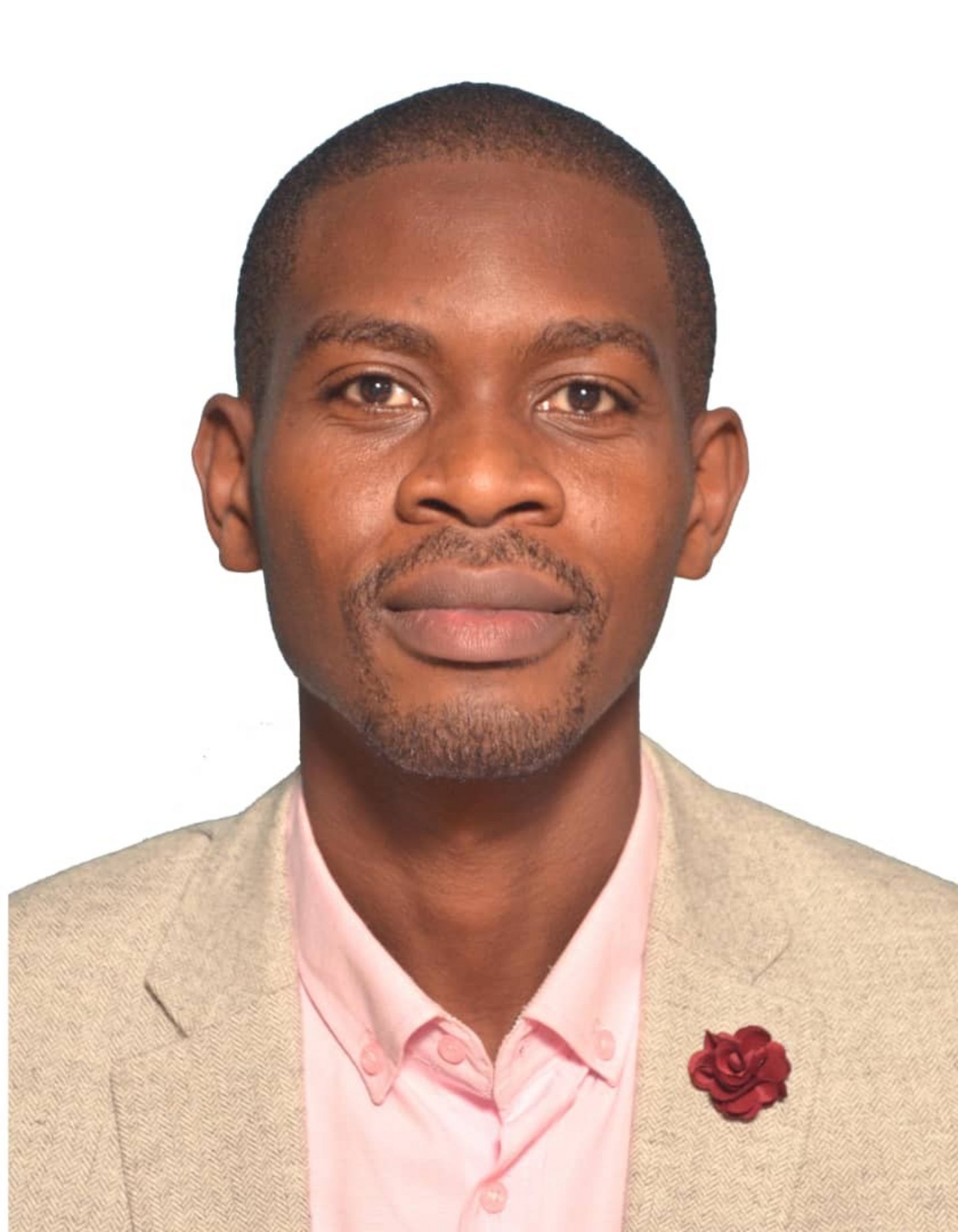
Dr. Christian Ngongang Ouankou (Dschang, Cameroon)
Partner at the University of Cologne: PD Dr. Filomain Nguemo (Faculty of Medicine Center for Physiology and Pathophysiology)
Africa is witnessing a dramatic epidemiological transition, adding non-communicable diseases, particularly cardiovascular diseases, to the burden of infectious diseases.
The ultimate consequence of these pathologies is the occurrence of cardiac arrest, and often resuscitation techniques are not well mastered by the staff or, worse, by the population. However, there are innovations for improving organs through the use of cell cultures, which provides considerable hope for humanity. These cell culture techniques are entirely unavailable in our region, yet they hold the promise of future cure.
Objectives
Our project aims to mobilize two experts: one in cell culture and another in Physiology and Cardiology, who is also responsible for a Skill’lab Laboratory currently being implemented at the University of Dschang, Cameroon.
Two aims activities of the project are:
- Dr. Ouankou's training stay at the University of Cologne for Cell Culture, Skills Lab, and Cardiology Competence Laboratories at the University of Cologne is at the forefront in these fields
- Visit of PD. Dr. Filomain Nguemo at the University of Dschang for hand-on training and workshop on cell culture techniques and their importance in regenerative medicine and drug discovery.
Project Steps
The project will be carried out in two phases.
The first phase will involve welcoming Dr. NGONGANG OUANKOU Christian, a lecturer of Cardiology and Physiology at the University of Dschang, to the University of Cologne. Specifically, this phase will include:
- Visiting the Cell Culture Laboratory to start his familiarization with this technique and, more importantly, to understand its subtleties; this will be a crucial moment for the transfer of skills, particularly in cardiac cell culture.
- Visiting the Skill’s Lab to better conceive and implement the Skill’ Lab at Dschang (specifically regarding Life support and medical procedures).
- Visiting the Electrophysiology and Cardiac Ultrasound Laboratories to observe the advancements in Cardiology compared to the practices in Dschang.
The second phase will bring PD Dr. NGUEMO Filomain, an expert in cell culture, to the University of Dschang to explain the steps of cell culture techniques to the students. He will demonstrate in the Laboratory the procedures for sampling and stem cell culture techniques.
Conclusion
This project will improve the research skills and research-based learning and education of students and trainer of the University of Dschang. The study and research programs of the University of Dschang will been reviewed in term of the content and in term of the teaching and evaluation (theoretical and practical) processes. Thus, the Dschang University will implement a curriculum of human medicine and Stem cell at its Faculty of Medicine and Pharmaceutical Sciences according to the local and international context and the state of the science. In Dschang Hospital, which served as university clinic, follow outcome is expected: (i) Implementation of approaches learn in Cologne in Skills Lab, using a continuous programme linked to the Medical faculty, (ii) establishment of a cardiology unit with an intensive care unit, an echocardiographic lab as well as implement the module of cardiac catheter.
The workshop in Dschang will provide an update on the most recent advancements in stem cells research and its importance for regenerative medicine, new medication development and testing. It will also be benefit for students and trainers and will lead to an improvement in the quality of education and research involved cell culture at the University of Dschang. The University of Cologne will further develops its expertise in curriculum development and research within a development country, using the example of sub-Saharan Cameroon.
Workshop in Dschang
Funded by CIF, the Hands-on Training and Workshop in Laboratory and Basic Techniques for Stem Cell Research provided an exceptional learning opportunity for students and researchers.
Dr. Christian Ouankou first spent an intensive month at the University of Cologne’s Medical Faculty, gaining advanced skills. The second phase at the University of Dschang began with a theory minisymposium, where PD Dr. Filomain Nguemo and experts discussed stem cell biology, regenerative medicine, drug discovery, emerging research, and ethics. Participants then gained hands-on experience in cell culture, microscopy, and experimental design, enhancing research skills and fostering collaboration between the partner institutions.
Final Report
Duration:
01 October 2024-30 September 2025
Participants:
Dr. Christian Ngongang Ouankou (Faculty of Medicine and Pharmacy, Dschang, Cameroon) and PD Dr. Filomain Nguemo (Faculty of Medicine / Center for Physiology and Pathophysiology, University of Cologne)
Overview
This project aimed to strengthen research and education in human medicine, stem cell biology, regenerative medicine, and cardiology at the University of Dschang (UDs) Cameroon, through collaboration with the University of Cologne (UoC), Germany. The key focus was to enhance research skills, update curricula, and implement advanced laboratory and clinical practices.
Project Phases and Activities
Dr. Christian Ngongang Ouankou first spent a productive month at the UoC s Medical Faculty, gaining advanced expertise in cell culture techniques, stem cell research, Skills Lab management, and cardiology competence laboratories, including echocardiography and intensive care practices. His stay provided both practical laboratory skills and strategic insights into cutting-edge curriculum development and research in an international environment.
Indeed, cell culture is a technique practically non-existent in Cameroon yet, but it sparks considerable interest among students and teachers. The visit to the Cell Physiology Laboratory was particularly exciting and motivated us to aim for a targeted training for Cameroonian scientists. This included modern teaching methods that place the student at the center of learning. Finally, at the Cardiac Center, we had the opportunity to observe some advanced procedures and realized that more frequent collaboration would be more beneficial in the transfer of knowledge and skills.
All of the various stakeholders, supervisors and students were highly engaged and motivated to transmit knowledge and practices throughout the project.
Following the visit to Cologne, a simultaneous theoretical mini-symposium and hands-on laboratory workshop was held at the UDs. The program, led by PD Dr. Filomain Nguemo and other experts in the field, covered stem cell biology, regenerative medicine, drug discovery, experimental design, emerging research trends, and ethics in research. Participants engaged in practical exercises in cell culture techniques, microscopy, and experimental design, emphasizing applications in regenerative medicine, drug development, and laboratory-based research.
Students and researchers exchanged theoretical knowledge and gained practical skills, while the collaboration between the UDs and the UoC was strengthened. The project laid a strong foundation for curriculum developments in human medicine and stem cell research, the fostering of advanced expertise within the UDs Skills Lab, and it will concomitantly lead to the implementation of advanced cardiology practices at Dschang Hospital, including intensive care, echocardiography, and cardiac catheterization modules.
Achievements and Impact
The project significantly improved capacity building, with students and faculty gaining advanced practical skills in cell culture, stem cell research, and cardiology. Skills Lab initiatives and cardiology infrastructure were initiated at the University of Dschang and Dschang Hospital, while the academic and research collaboration with the University of Cologne was strengthened. Overall, the project contributed to sustainable advancements in education, research output, and clinical services, supporting long-term developments in medicine and regenerative research.
In conclusion, the project successfully enhanced research and teaching capacities at the University of Dschang. The research stay at the University of Cologne provided advanced technical expertise, and the simultaneous theory and hands-on workshops in Dschang ensured immediate application of knowledge. The initiative established a solid foundation for ongoing advancements in curriculum design, laboratory practices, and clinical services.
Finally, a debate on brain drain took place which was conceived as a dissemination and reflection activity at the end of the project, building directly on the knowledge transfer carried out during the project. Dr. Christian Ngongang Ouankou organized this debate at the UDs between faculty members and medical students. This exchange confirmed that brain drain significantly weakens local knowledge implementation systems. Based on the discussion, a key recommendation emerged: that multiplying initiatives like ours would be an effective way to strengthen local capacity and support sustainable scientific development.
Dr. Christian Ngongang Ouankou
Dr. Christian Ouankou is a scholar affiliated with the University Teaching Hospital of Yaounde and the University of Dschang. He is completing his PhD in Human Physiology at the University of Douala. He has held positions as a Lecturer and Assistant Lecturer in Cardiology and Physiology at the University of Dschang.
Having earned his MD with distinction from the University of Yaounde I in 2006, he later received specialized diplomas in Cardiology (2010) and Sport’s Medicine and Biology (2012) from the University Cheikh Anta Diop of Dakar. Additionally, Ouankou completed an MSc in Human Physiology with distinction from the same institution.
He has supervised over 60 MD and 10 Master's theses, published around 40 articles in refereed journals, and delivered over 20 lectures at international conferences in Africa and Europe. Dr. Ouankou's research primarily focuses on cardiology and physiology, contributing significantly to medical science and education.