The Legal Dimension of China’s Presence in Latin America: Opportunities, Risks, and Responses
Cologne International Forum Innovative Tandem Collaboration: 1 December 2023 - 30 November 2024
Dr. Monika Prusinowska (Barcelona, Spain)
Partner at the University of Cologne: Dr. Daniel Sprick (Faculty of Arts and Humanities, Chinese Studies)
Abstract
This project sheds light on a critical yet under-analyzed aspect of China's growing presence in Latin America: the legal implications. While the economic, social, and political dimensions have received more attention, the complex legal landscape remains underexplored. This Project shall contribute to filling this gap, offering an opportunity to PhD students and young career scholars to deepen their understanding of the impact of Chinese approaches to law and its impact on Latin America as well as their transnational and global implications. The selected format of this Project is intended to create a space, which could seed a community of expertise on the nexus of China, Latin America and law.

Roundtable on China and Latin America

As part of their project, our Innovative Tandem is hosting the following roundtable:
Over the past decade China's engagement with Latin America has increased dramatically. This is evidenced by China's emergence as the most important trading partner for many Latin American countries. This dominance is particularly striking when compared with China's meagre 2% share of regional trade at the turn of the century. Furthermore, the extensive reach of China's influence is underscored by the participation of 21 out of 33 LAC countries in the Belt and Road Initiative (BRI), China's strategic infrastructure development programme. With its multifaceted approach of promoting trade and investment with Latin America, as well as cultural, diplomatic and military advances, China has successfully established itself as an alternative, rival and competitor to the old European and US allegiances in the region.
This roundtable will focus on China's growing presence in the LAC region, discussing its relevance for EU policymaking concerning the region. We will discuss how China's expanding presence impacts the EU's strategic interests, policy priorities, and ongoing regional initiatives. It will also explore the needs of the LAC region and identify the potential for the EU to offer solutions or partnerships in response.
Speakers and moderators:
- Parsifal D’Sola Alvarado, Executive Director, Andrés Bello Foundation, China Latin America Research Center
- David Chico Zamanillo, Head of Unit - Latin America, Directorate for Regions, Directorate-General for External Policies of the Union (EXPO), European Parliament
- Dr. Ceren Engec, Research Fellow, Centre for European Policy Studies
- Prof. Dr. Martina Fuchs, Institute of Economic and Social Geography, University of Cologne
- Dr. Monika Prusinowska, Ramon y Cajal Fellow, University of Barcelona
- Dr. Daniel Sprick, Research Associate for Chinese Legal Culture, University of Cologne
Time & Place: 26 June 2025, 13:30-15:30 ECT
International House, University of Cologne (Kringsweg 6)
Join us in person or via Zoom:
https://uni-koeln.zoom.us/j/97801513707?pwd=cwKpTWuAazf3b20rLJccJ0AZqWMkC6.1
CONTACT: MONIKA.PRUSINOWSKA@UB.EDU AND DSPRICK@UNI-KOELN.DE
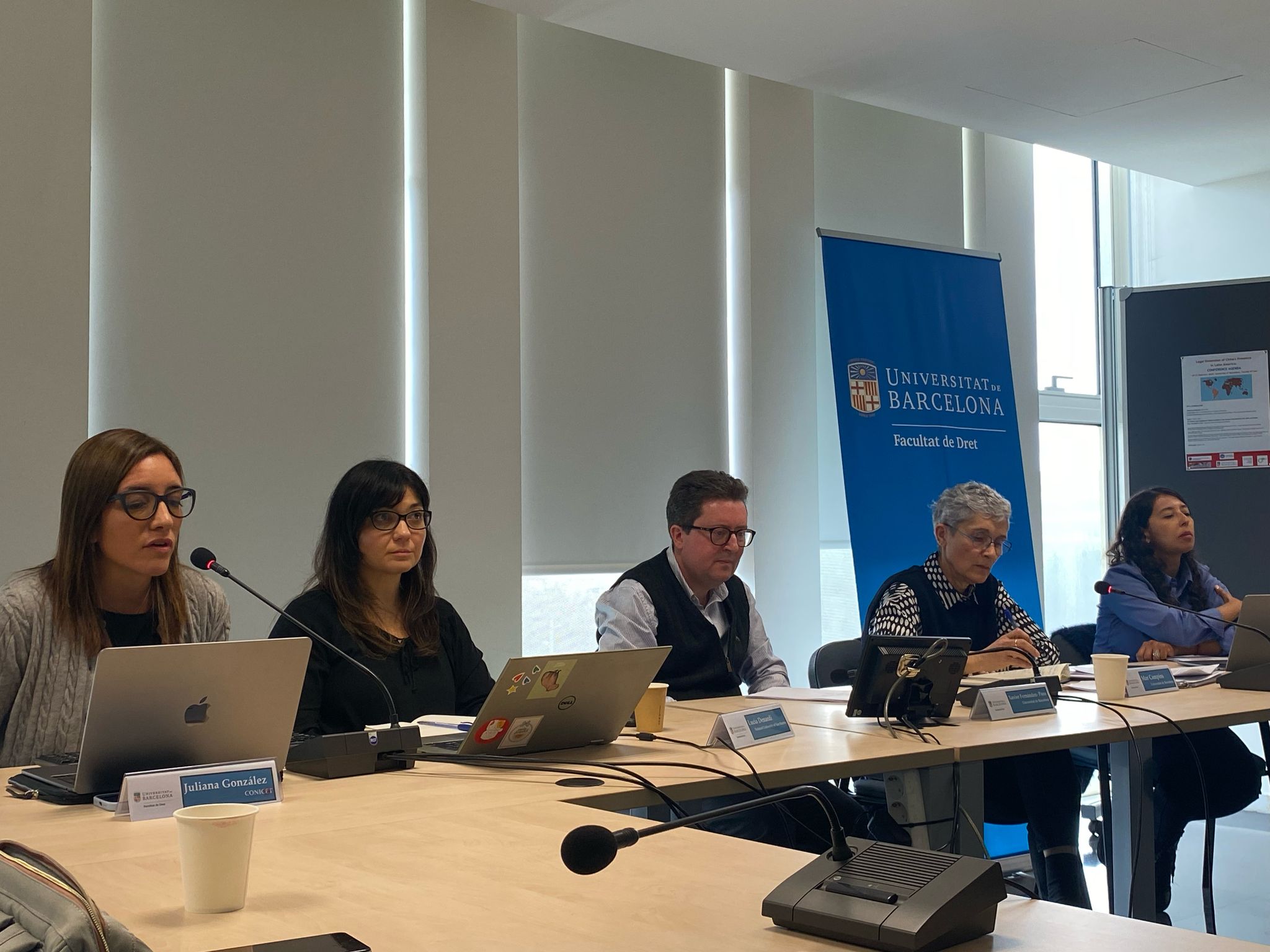
Workshop in Barcelona: 10-12 February
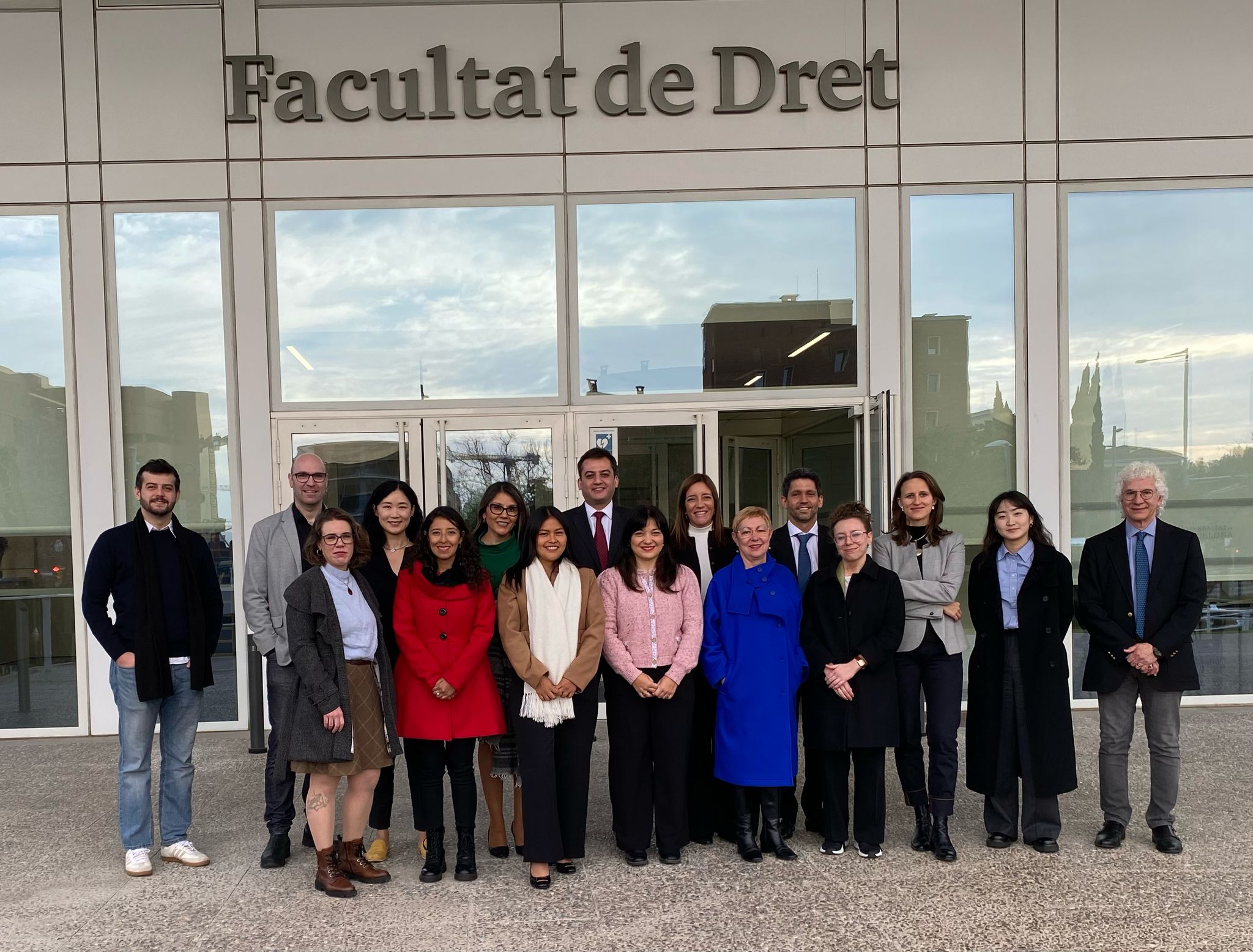
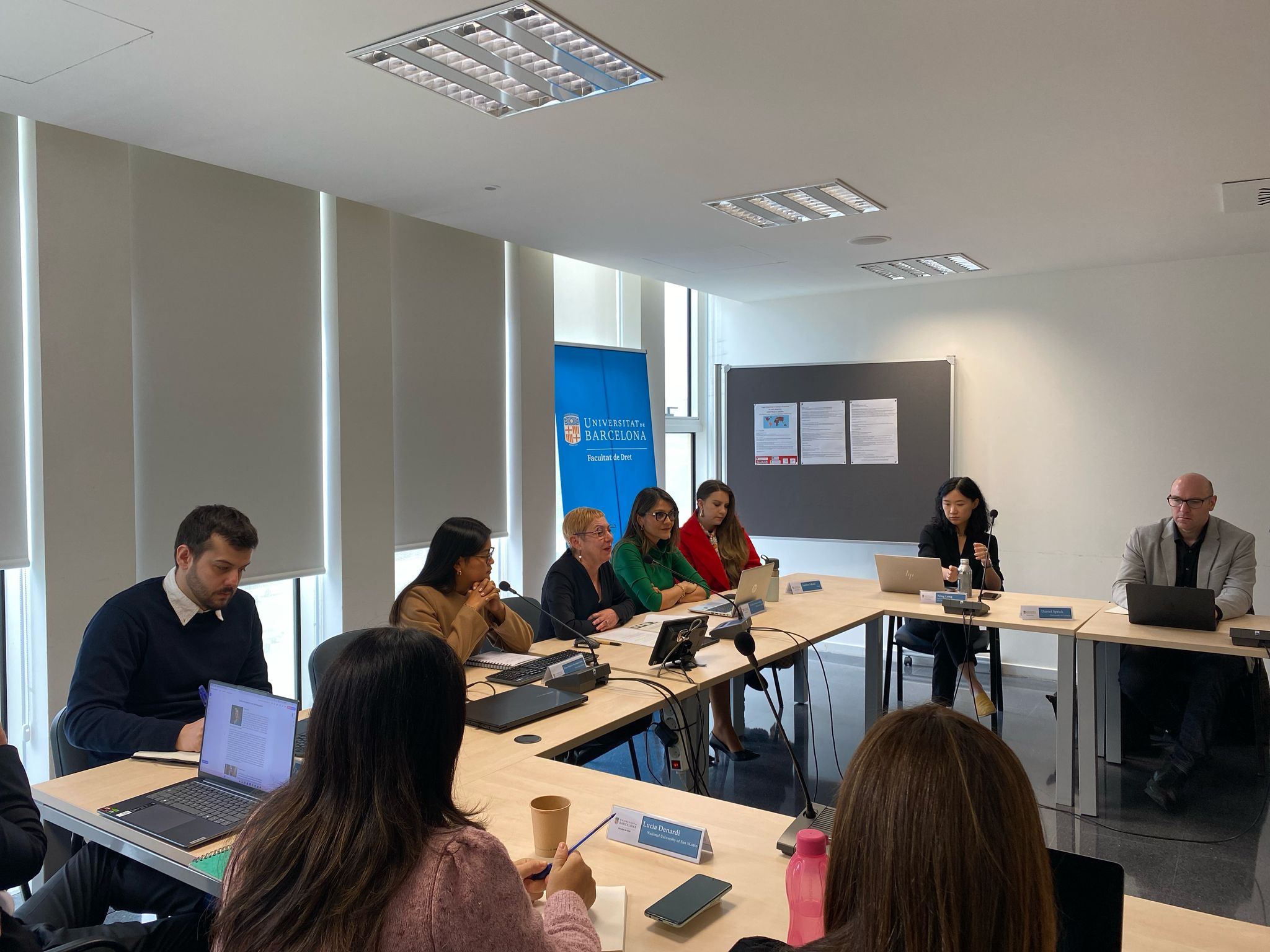
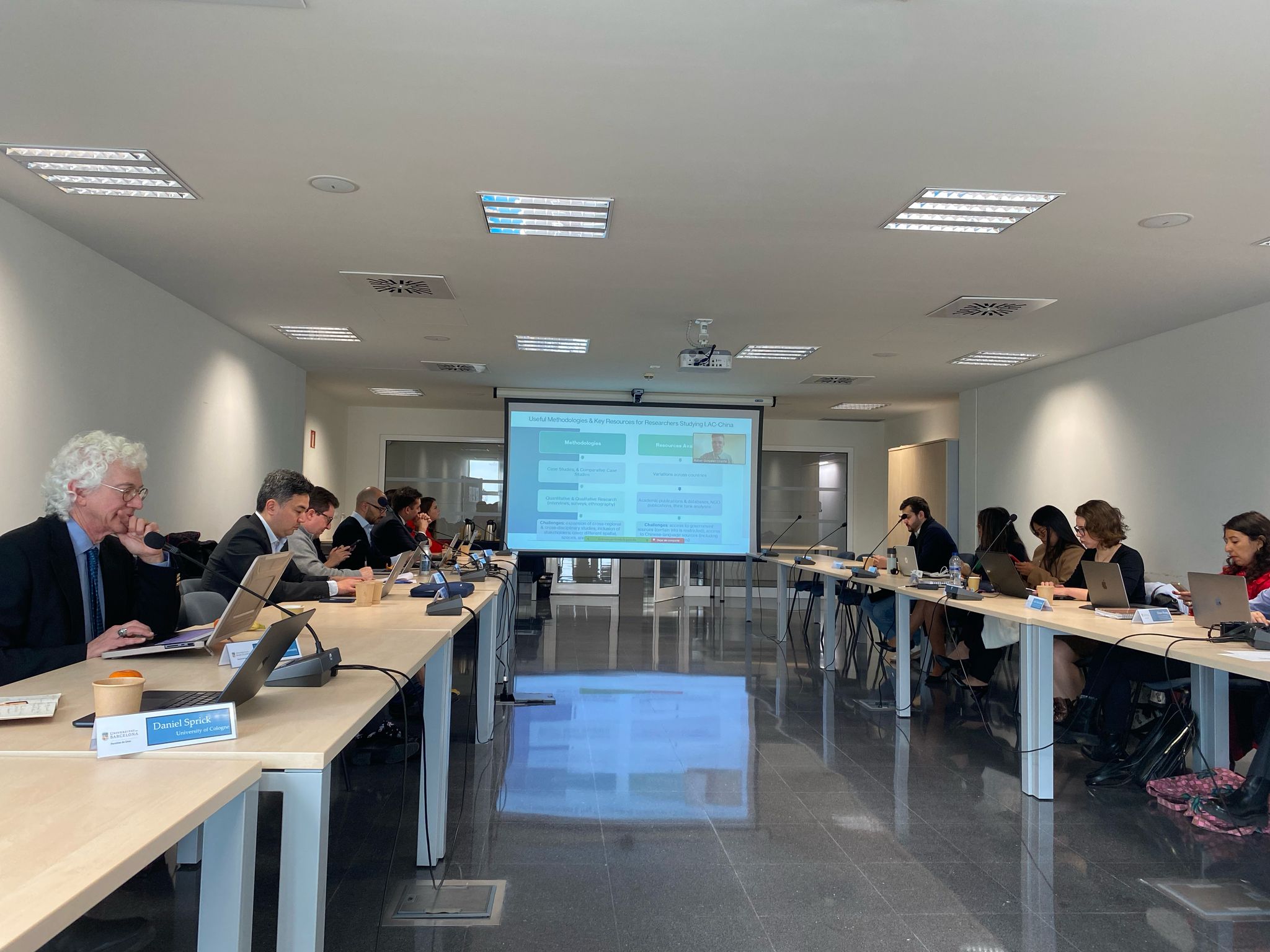
Project fellow Monika Prusinowska and her team recently organized a series of discussions at the University of Barcelona on the legal dimensions of China’s engagement in Latin America.
Through six panels, two research workshops, and a concluding roundtable, participants explored key legal challenges, including investment regulation, environmental and human rights considerations, dispute resolution, and access to critical resources. Discussions emphasized the evolving legal landscape, the need for interdisciplinary collaboration, and the role of the EU in the region.
A publication summarizing the findings is forthcoming.
The event was supported by the University of Cologne, Cologne International Forum, Facultat de Dret at the University of Barcelona, DIDUE Research Group on International and EU Law, CIDOB, and the European China Law Studies Association.
Dr. Monika Prusinowska

Dr. Monika Prusinowska is a scholar at the University of Barcelona, Spain. She recently (2024) received the Ramon y Cajal Fellowship Grant awarded by the Spanish Ministry of Science to top scientists. Monika is also a research associate at the Oxford University’s project “China, Law and Development”.
Monika’s work perspective has been shaped by nearly a decade of experience in China, where she studied Chinese law and worked at the China-EU School of Law at the University of Political Science and Law, as a foreign counsel at one of the largest Chinese law firms, a lecturer at the Polish embassy in Beijing, as well as collaborated with Asian arbitration institutions.
In her research, Monika concentrates on the intricate legal connections between China and the rest of the world. She looks into: a variety of aspects concerning dispute resolution involving China, legal implications of China's foreign investments, China's role in the energy transition, and the legal relationship between China and the European Union. Monika obtained law degrees in Europe and China, as well as mastered a number of foreign languages, including Mandarin and Spanish. She is also qualified as an attorney-at-law in Poland.
Cologne International Forum Overview