Gender, Migration and Digitalization of Care Work: Discourse Analysis of Care Service Websites
Cologne International Forum Innovative Tandem Collaboration: 1 January 2024 - 31 December 2024
Dr. Mert Koçak (Istanbul, Turkey)
Partner at the University of Cologne: Dr. Elifcan Celebi (Institute for Political Science and European Affairs)
Transnational Care Podcast
The new podcast by Tandem partners Elifcan Celebi and Mert Koçak explores the intersections of migration, labor, and technology in the global care economy, addressing timely issues in cross-border care work. Listen now on Spotify.
Workshop on Migration, Care and Digitalization
1-2 July 2024
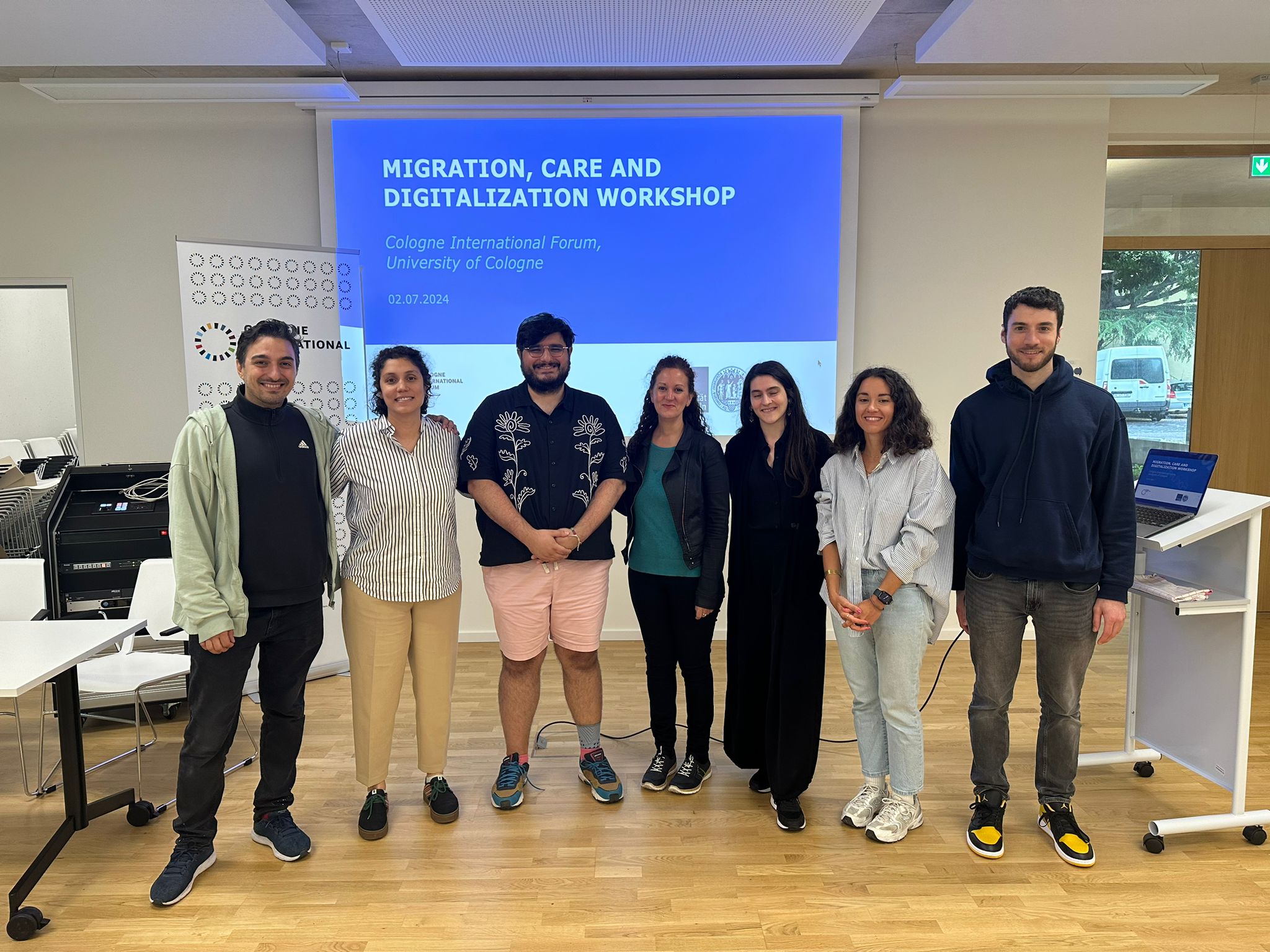
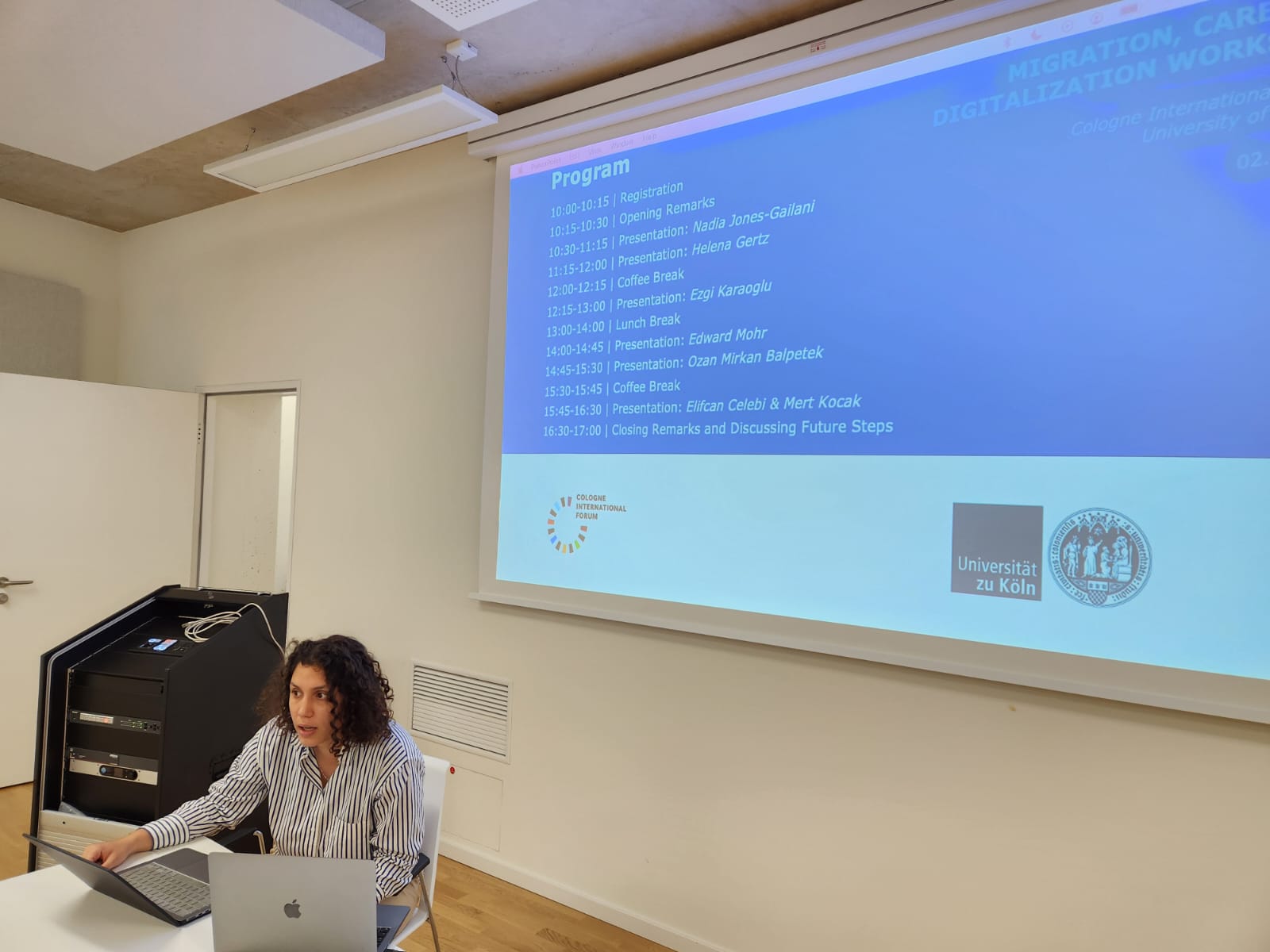
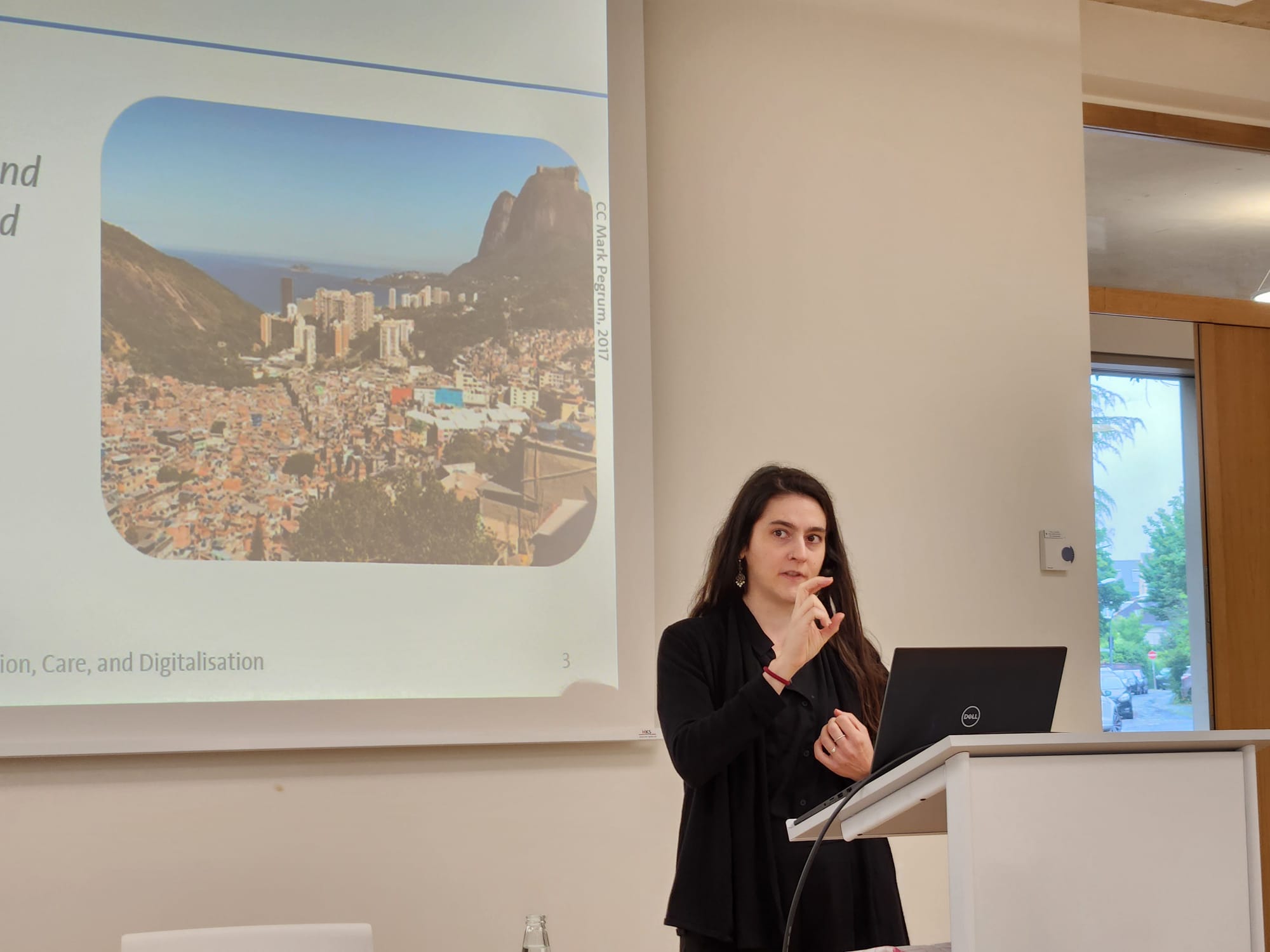
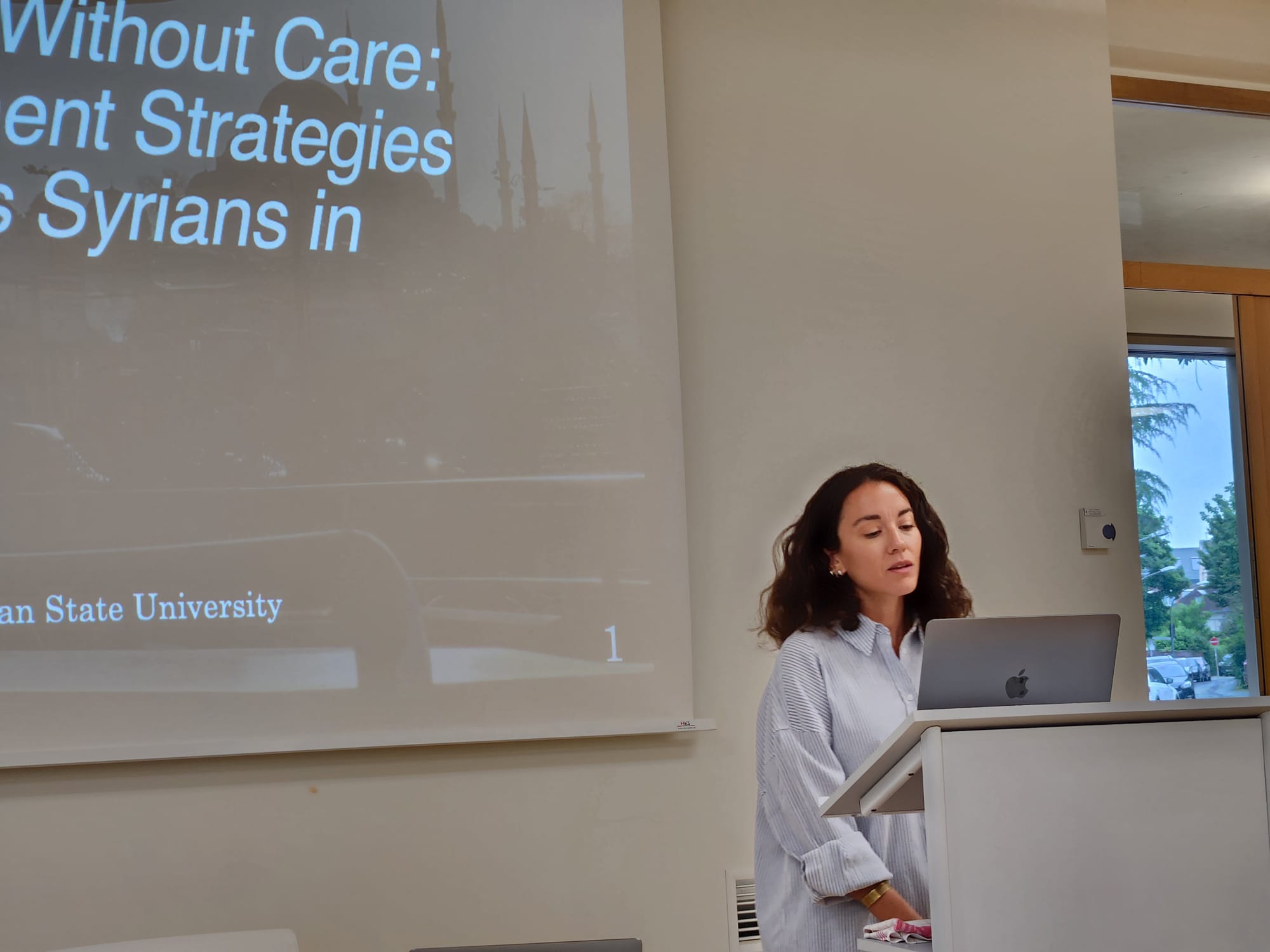
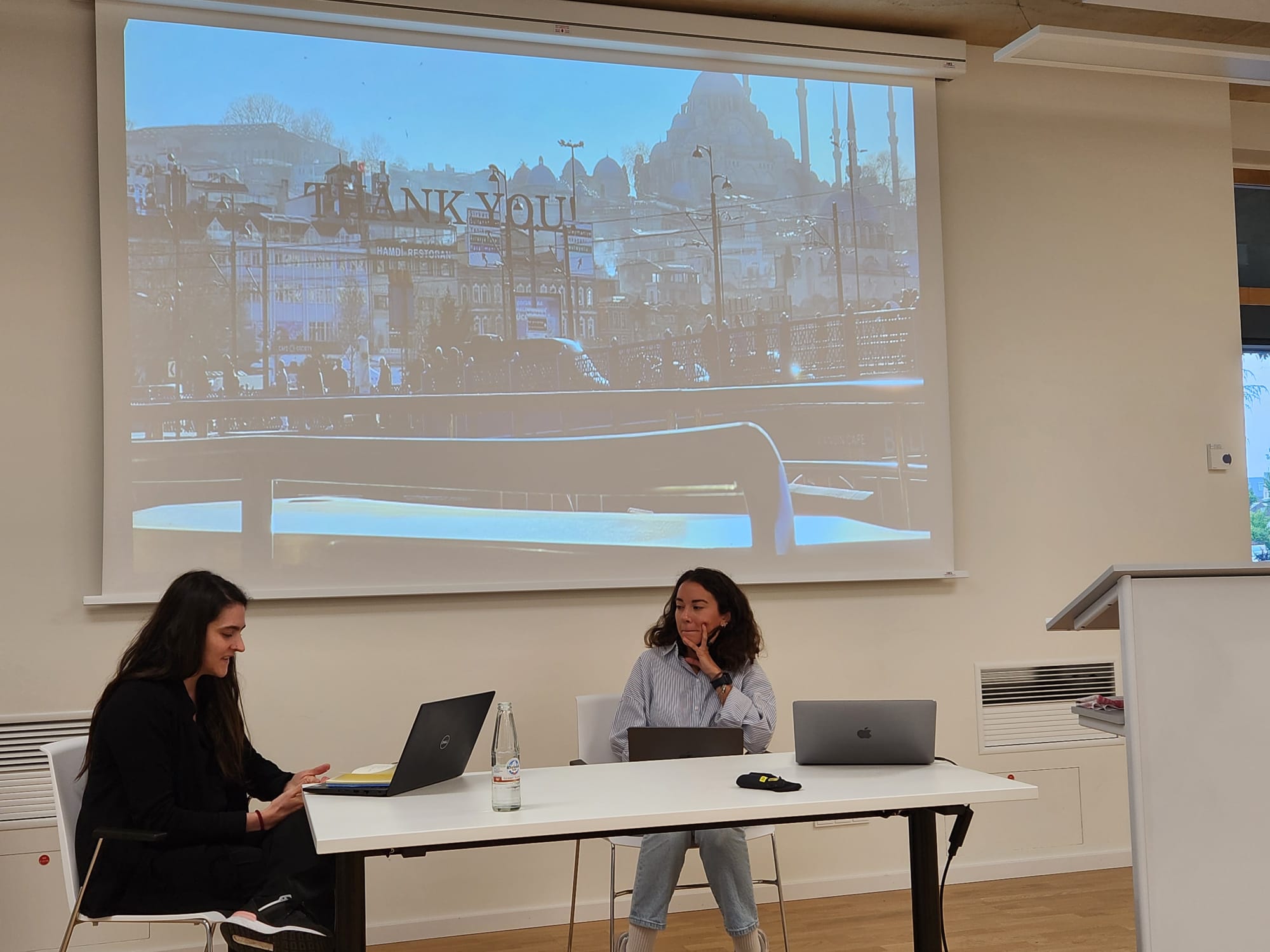
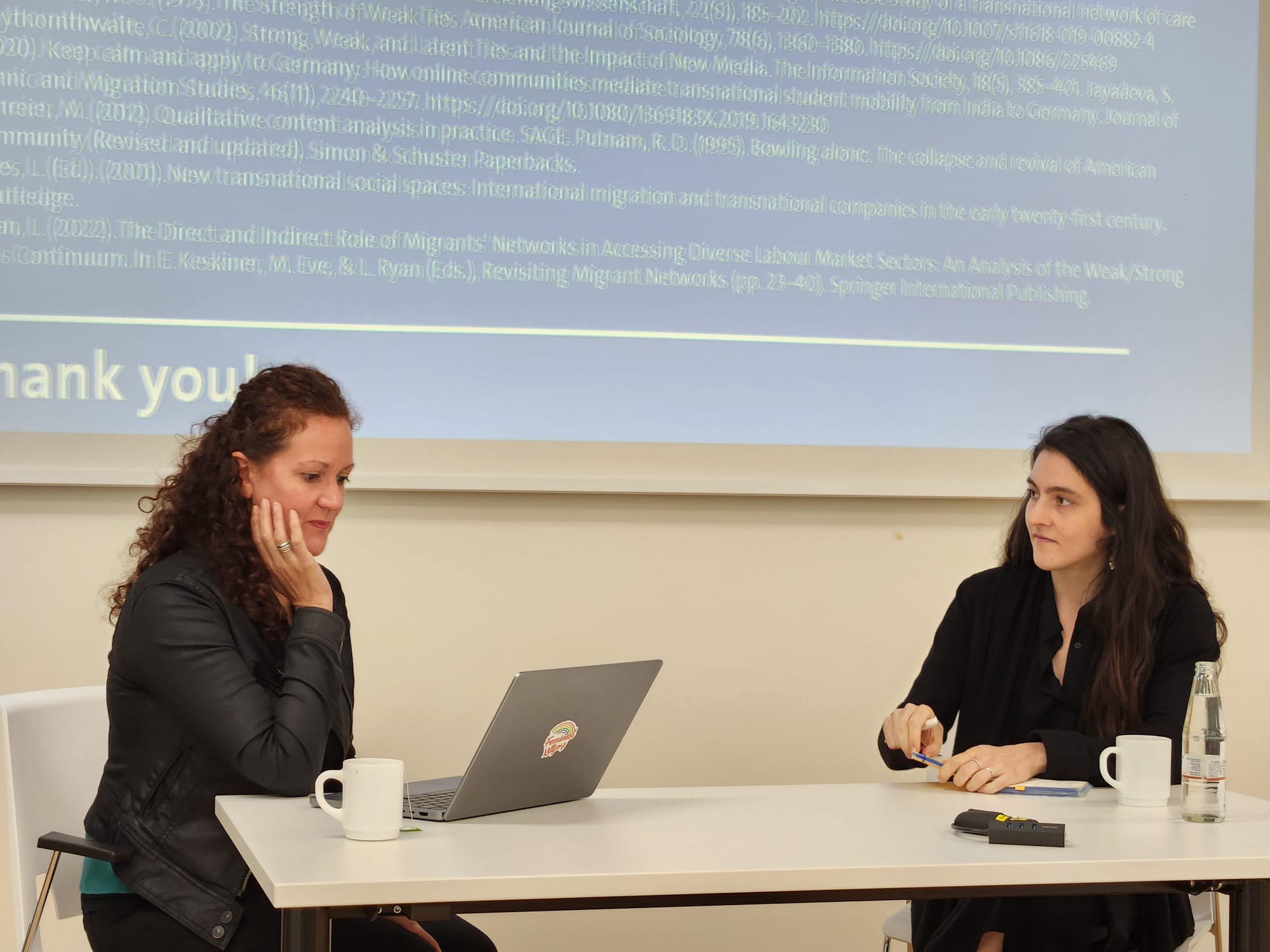

Our Cologne International Forum Tandem members Mert Koçak and Elifcan Çelebi organized a two-day workshop from 1-2 July 2024 on Gender, Migration, and Digitalization. The workshop successfully connected researchers across institutions, established networks for future collaboration, and provided valuable feedback on the project. Including sociology, anthropology, political science, and gender studies, the presenters brought diverse perspectives on digitalization, migration, and care.
We are looking forward for the upcoming podcast, which will further explore the research discussed covering the prospects of student mobility for queer Muslim women, the integration of Syrians in Turkey and the usage of care platforms for the transnational labor market and the requirements for nurses in Germany.
Abstract
In the wake of a global crisis of reproduction combatted with COVID-19 (De Henau and Himmelweit 2021), care chains gained increasing importance representing the international division of labor between (more and less wealthy) countries and the reconfiguration of social reproduction across borders and households. The key mechanism is that a shortage of caregivers in one place is reflected in the labor market as a demand and is managed by the transfer of care labor force from another place (Wichterich 2023: 430). Feminist political economists explored the contradictions and patterns of unequal exchange of global care chains at transnational and international levels (Connell 2008; Yeates 2012; Lutz and Pallenga-Möllenbeck 2012). However, the flux of migrant care workers within the European Union and the care platforms linking care demand with supply is an under-explored topic, even though the aging population and increased women’s employment make the topic more salient.
To highlight the importance of digitalized migration routes, Dr. Elifcan Çelebi and Dr. Mert Koçak will collaborate on the project and conduct discourse analysis on a website that “showcases” immigrant care workers and their link to the labor market: helpling.de. This website mediates the relations between care providers and customers, allowing customers to survey through a list of care providers and then contact them for care work. We will use discourse analysis as a preliminary research method to identify repeated gendered and racialized keywords, phrases, and metaphors that describe the care workers and their services. By doing so, we aim to gain an understanding of how “the user front” of digital care platforms may function. We will subscribe as both customers and care providers to experience all sides of the user front.
We will also organize a workshop titled “Gender, Migration, and Digitalization of Care Work” at the University of Cologne. The topics to be covered in the workshop will be the digitalization of social relations, migration in the EU, care work in the EU, and healthcare for care workers. In the final panel, we will present the result of discourse analysis. We also want to make sure that the results of our collaboration will be more sustainable. That is why we’d like to create an 8-episode podcast series sharing what we have learned through preliminary discourse analysis, workshop presentations, and guest lecturing.
Dr. Mert Koçak
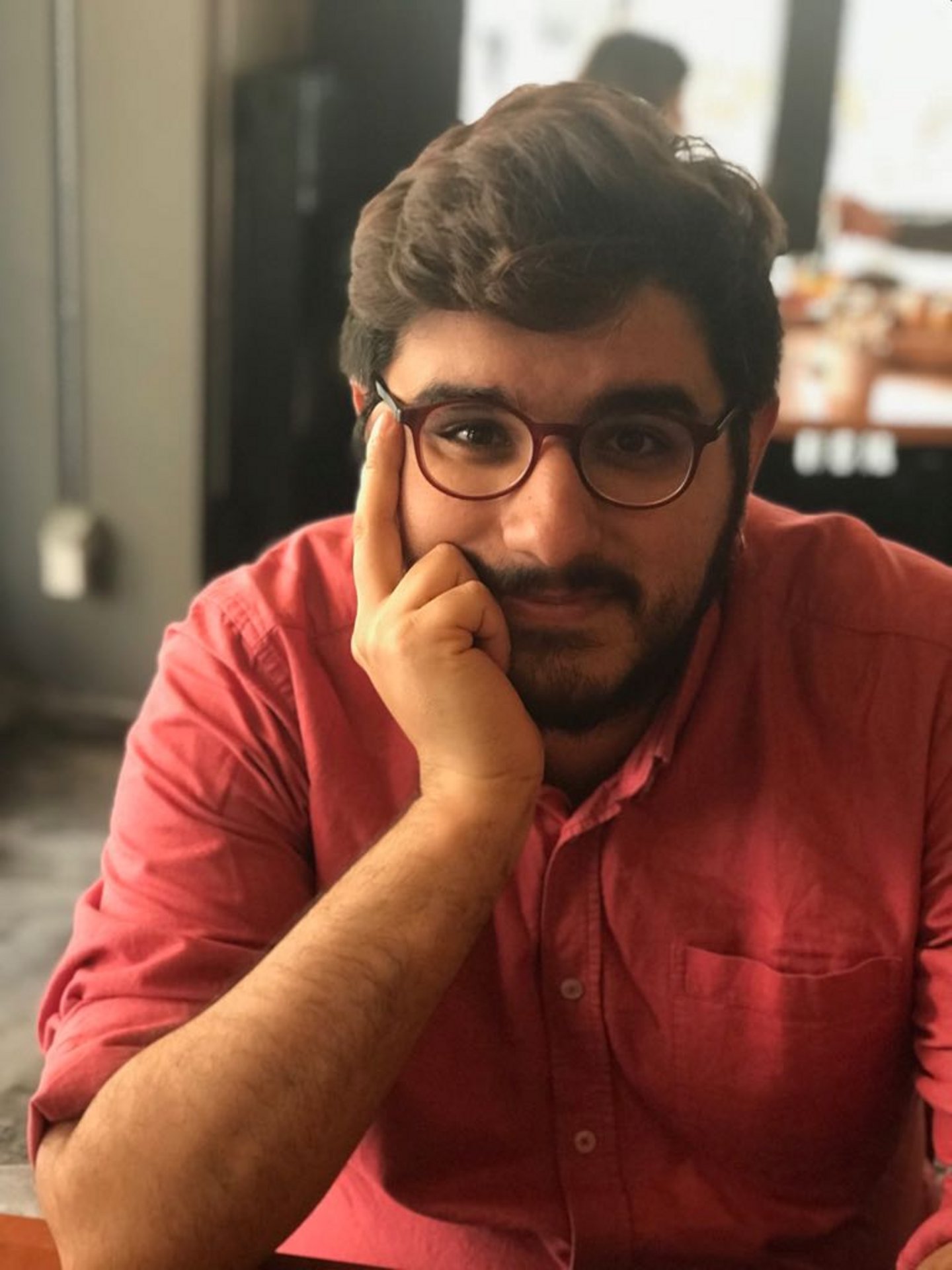
Mert Koçak received their PhD in Sociology and Social Anthropology from Central European University. They hold an MSc in Human Rights from the London School of Economics and an MA in Gender Studies from CEU. They were awarded fellowships at IWM – Institute for Human Sciences (Vienna), CEFRES – French Research Center in Humanities and Social Sciences (Prague), and NEC- New Europe College (Bucharest). They are currently a visiting lecturer at İstinye University (İstanbul) and a project coordinator at Truth, Justice, and Memory Center. Their areas of research are queer migration, refugee studies, and anthropology of law and bureaucracy. They also make academic podcasts such as Sexuality and Gender in Turkey, and Academia in 10 Minutes (in Turkish).

Cologne International Forum Overview